Posts Tagged ‘sandalwood essential oil’

Getting Prepared

Thursday, June 23rd, 2011

Gary is exploring new sources of aromatic plants in Ecuador and Peru.

I have talked about the possible loss of lavender for the last seven years as I have watched the signs of this on-coming crisis. I have wished that I would be wrong or that something would change this growing problem, but it has only snowballed into a downhill disaster.

We will continue to see more oil crops fail for various reasons. For example, today the world is without rosewood oil because Brazil, the main world source, has ceased to produce and export it. I will soon have a report on Young Living’s plans for this oil.

For the last several years, we have become concerned that sandalwood from Indonesia and India will become nonexistent and are concerned that at any time the world could be cut off from its supply.

Many other oils could also come to a production end for many reasons. Each year more and more farmers are selling their farms or just going out of business. The children from many generations of oil producers are turning away from family traditions and entering the world of business and technology. As the pure oil supply decreases, the number of synthetic and adulterated oils will increase.

Young Living is constantly in a state of preparation as we expand our fields and increase our own production. I am traveling and exploring as I look for the opportunity to buy more farmland and contract with farmers who can grow for us. The discoveries are immense, and with continued planning and preparation, we will be able to meet the demand of our growing company.

Technorati Tags: , , , , , , , , , , , ,

12 Oils of Ancient Scripture: Sandalwood

Tuesday, January 5th, 2010

A continuation of a multipart discussion about each of the 12 Oils of Ancient Scripture, today Gary Young speaks to the historical significance and traditional uses of sandalwood.

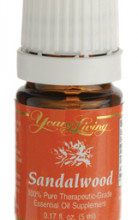
sandalwoodSandalwood is another aromatic substance with a long, rich history in ancient times. Traditionally referred to as “aloes” or “aloewood,” it is mentioned in John 19:39: “And there came also Nicodemus, which at the first came to Jesus by night, and brought a mixture of myrrh and aloes, about a hundred pound weight.” Psalms 45:8 informs us that the garments of the Messiah are fragrant with myrrh, cassia, and aloes, which is sandalwood.

The documenting of biblical plants and aromatics down through the ages has not been exact. The first entire book on plants was not published until 1566 AD, but many botanists believe that aloes derived from sandalwood, one of the oldest incenses known to man. Its 4,000-year history includes use as a carved wood as well as distillation for its sweet, woody, and fruity scented oil. The quantity of myrrh and aloes used in preparing Christ’s body for burial was indicative of deep respect; and in ancient Egypt, myrrh and sandalwood were used to embalm the great pharaohs of Egypt.

Historically, sandalwood was recognized for its improving of the lymphatic system, strengthening the heart, and calming the nerves. Ancient references also mention sandalwood for hemorrhaging, heart fatigue, and sciatica—although no modern clinical research has verified these benefits. Perhaps this is why sandalwood was a treasured aromatic substance in ancient times.

Modern science is now beginning to investigate the antiseptic and immune supporting properties of some of the constituents of these precious oils. Studies conducted at the University of Wisconsin show that limonene can inhibit aflatoxins and their production by toxic fungi and prevent DNA damage.

Next time, join me as I discuss another significant oil of ancient scripture: myrrh.

Essentially Yours,

Gary Young

Technorati Tags: , ,